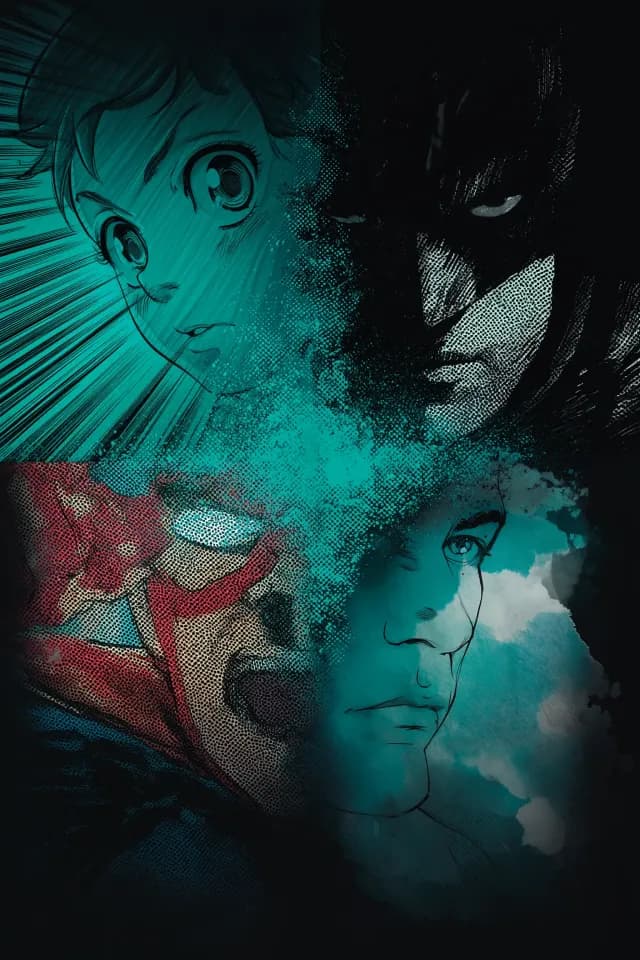
Choosing an art style is the first creative decision you'll make when generating an AI comic book — and it changes everything. The same story told in manga looks like a completely different book than one told in gritty noir. The tone shifts. The pacing changes. Even the audience changes.
Here's a breakdown of the most popular art styles for AI comic creation, what each does best, and how modern AI handles the nuances of each one.
1. Manga
The world's most widely read comic format isn't American superhero books — it's manga. And for good reason. Manga's visual language is incredibly efficient: speed lines for motion, chibi expressions for comedy, screentones for mood, and a right-to-left reading flow that millions of readers navigate instinctively.
Best for: Romance, slice-of-life, action-adventure, fantasy, and horror. Manga is versatile enough for almost any genre.
AI strengths: Modern AI comic generators handle manga's signature features well — large expressive eyes, dynamic hair, clean linework, and exaggerated emotional reactions. Speed lines and impact frames generate reliably. NarrInk's manga style preset includes screentone patterns and panel layouts that follow the right-to-left convention automatically.
Watch out for: Hand positioning and complex fight choreography can still trip up AI in manga style. Review action sequences carefully.
2. American Superhero
Bold outlines, dynamic poses, hyper-muscular anatomy, dramatic lighting. The superhero style is what most people picture when they hear "comic book." Think Marvel and DC — vivid colors, crosshatching for shadows, and compositions that explode off the page.
Best for: Action, sci-fi, superhero stories (obviously), and any narrative that benefits from visual bombast.
AI strengths: AI excels at the superhero look. Bold colors, dramatic camera angles, and dynamic poses are well-represented in training data. Costume consistency is strong — once the Character Bible locks in a hero's suit, it stays consistent across pages.
Watch out for: Hands and feet in extreme foreshortening. Also, the style can feel generic if you don't customize it — push for unique color palettes and composition choices.
3. Noir / Graphic Novel
High contrast. Deep blacks. Minimal color — maybe a single accent (red lips, a yellow taxi, a neon sign). Noir is storytelling through shadow, and it's one of the most striking styles in comics. Think Sin City, Criminal, or Blacksad.
Best for: Crime, mystery, thriller, horror, and literary fiction. Any story where mood matters more than spectacle.
AI strengths: AI handles high-contrast black-and-white exceptionally well. Shadow placement is atmospheric and consistent. Spot color — using a single hue against monochrome — works beautifully. NarrInk's noir preset emphasizes heavy inking and rain-slicked environments that set the tone instantly.
Watch out for: Noir depends on what you don't show. If the AI over-renders details in shadow areas, the style loses its power. Use editing tools to push shadows darker.
4. Watercolor / Painted
Soft edges, blended colors, visible brushstrokes. Painted comics feel literary and artistic — closer to illustrated novels than traditional comics. Think Daytripper or Blankets.
Best for: Literary fiction, memoir, children's stories, fantasy, and any narrative that prioritizes atmosphere over action.
AI strengths: This is where AI art generation truly shines. Watercolor textures, color bleeding, and soft gradients come naturally to image generation models. The results can be genuinely beautiful — dreamy, atmospheric, and emotionally evocative.
Watch out for: Text and speech bubbles need extra attention in watercolor style. The soft aesthetic can clash with hard-edged bubble outlines. Consider caption boxes or integrated lettering instead of traditional bubbles.
5. Ligne Claire
Clean, uniform line weight. Flat colors. No crosshatching or heavy shadows. This is the style of Tintin, Blake and Mortimer, and much of the Franco-Belgian comic tradition. It looks simple but is deceptively hard to do well — every line has to be precise because there's nowhere to hide.
Best for: Adventure, comedy, all-ages stories, and any narrative that benefits from visual clarity and readability.
AI strengths: AI produces clean ligne claire with impressive consistency. The uniform line weight means fewer rendering artifacts, and flat coloring reduces the chance of visual noise. Backgrounds stay detailed but uncluttered.
Watch out for: The simplicity is the challenge. Ligne claire characters rely heavily on subtle expression work — a slightly wrong eyebrow changes the entire emotion. Review faces closely.
6. Indie / Underground
Raw, sketchy, deliberately imperfect. Thick lines, visible corrections, hand-lettered text. This is the style of Maus, Persepolis, and countless self-published zines. It trades polish for authenticity.
Best for: Autobiographical work, political commentary, experimental narratives, and stories where a "polished" look would feel dishonest.
AI strengths: Surprisingly effective. AI can generate rough, sketchy linework and intentionally imperfect compositions. The style is forgiving of the small inconsistencies that trip up AI in more precise styles.
Watch out for: There's a fine line between "intentionally raw" and "poorly generated." Make sure the roughness feels deliberate, not accidental.
How to Choose
Your art style should serve your story, not the other way around. Ask yourself:
- What's the emotional tone? Dark and brooding → noir. Light and adventurous → ligne claire or manga.
- Who's your audience? YA readers expect manga conventions. Literary readers gravitate toward watercolor or indie.
- What's the pacing? Fast action → superhero or manga. Slow, atmospheric → watercolor or noir.
- What's your distribution? Webtoon → manga or superhero (bold, reads well on phones). Print → any style works, but watercolor and noir shine on paper.
The best part of AI comic creation? You can try all of them. Generate the same scene in three different styles, see which one makes your story sing, and commit to that. No wasted months. No expensive artist pivots. Just creative exploration at the speed of thought.
Once you've picked your style, learn how professional pacing and panel layout brings your comic to life — or jump straight to self-publishing your comic book. Curious how AI art compares to the real thing? Read our AI vs. hand-drawn comparison.